Sara Allen & Selma Raven - featured food systems Advocates
As grocery costs continue to rise, food banks report sharp increases in demand, and the nation keeps tabs on New York Mayor Mamdani’s promise to expand access to healthy food, there’s much to learn from the assiduous, resource-savvy, hyper-local activism at Friendly Fridge BX.
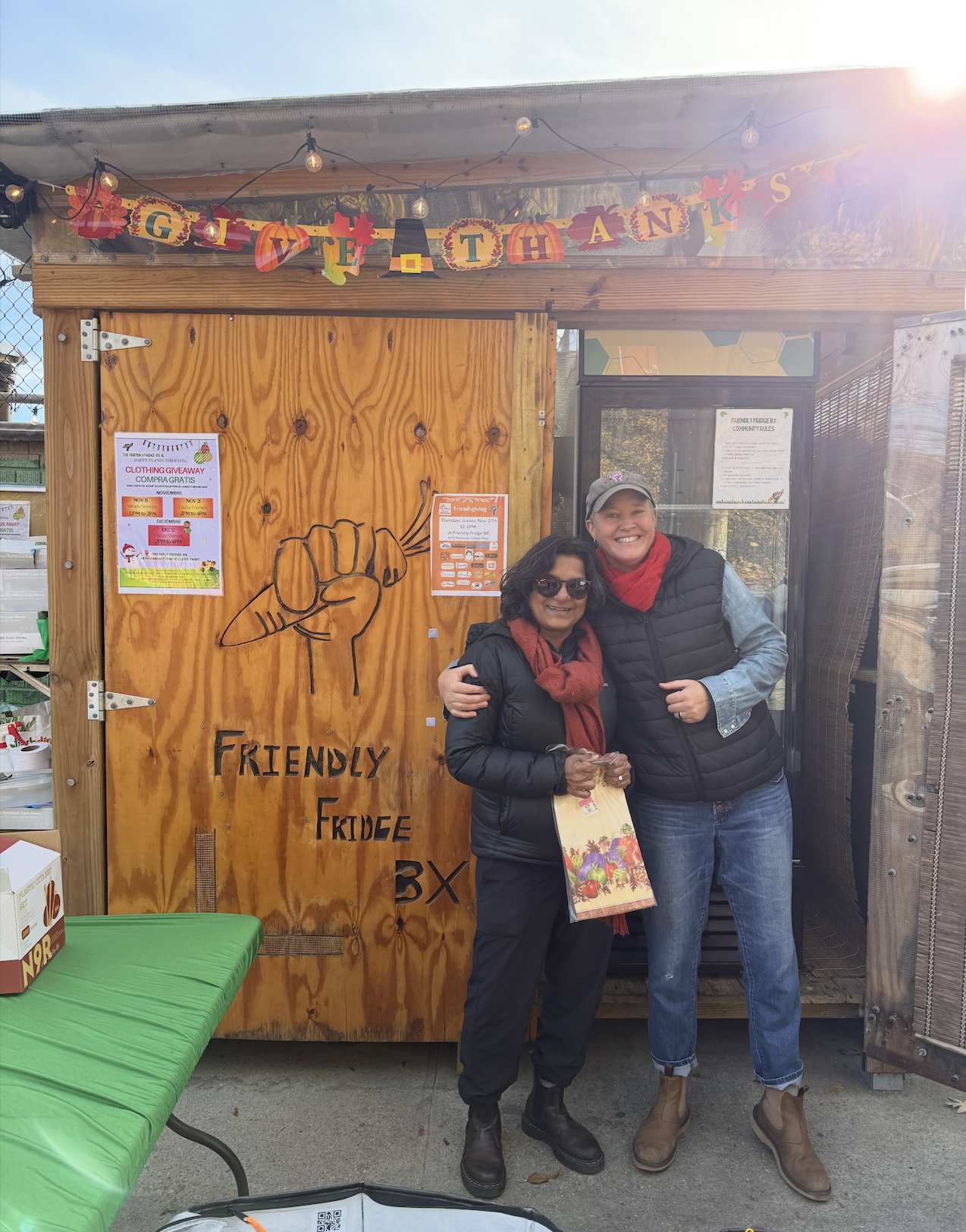 At the heart of the Bronx, right across from Manhattan University at the last stop of the 1 train, sits the Friendly Fridge BX, run by long-time Bronx residents Sara Allen and Selma Raven. Since 2020, their extensive year-round volunteer efforts have ensured that residents in their neighborhood have an adequate supply of fresh produce every week by rescuing and distributing food that would otherwise be discarded.
Located in one of the most socioeconomically disadvantaged neighborhoods in NYC, referred to as the “forgotten borough” by many, the Friendly Fridge BX helps mitigate the range of sufferings related to food insecurity that occur in the Bronx community.
As Sara notes, “At the end of the month, we experience even more people coming regularly because bills tend to be due around that time, and people may not have money left over for food. Some people may receive SNAP benefits, but these systems also have limits. When SNAP runs out, where do they go? They know that the Friendly Fridge BX can be a resource for them during unpredictable times.”
When asked about their motivations to run the Friendly Fridge BX, Selma explained that it was her late son, a food activist with Part Of The Solution (POTS), who inspired her. With her son already working with a community-centered organization founded on the principles of food justice, Selma and Sara realized they could do their part to bridge the gap between fresh, delicious, repurposeable foodstuffs and the people who need them.
“As the pandemic moved on, we continued to notice a lot of food being wasted, and we decided to shift our focus to the complete redirection and repurposing of food, a large portion of it organic, explains Sara.
Since then, they have expanded not just the Friendly Fridge BX’s food distribution capacity but also its impact, with over 70,000 pounds of food rescued and redirected each month, sometimes even nearing 80,000. Where is this food going? It’s being given directly to the hands of 1,400 mothers, fathers, grandparents, and schoolchildren living in the Bronx three to four days a week, without any registration, identification, or formalities required.
When asked to reflect on the profound impact they’ve made in the lives of Bronx residents, Selma explains: “Honestly, when we formally started the Friendly Fridge BX, we did not know what we were doing. We thought we were merely addressing pandemic needs. However, after six years of repurposing and redirecting food, we learned that we were dealing with food insecurity turned into food injustice due to systemic inequalities. And we are still learning.”
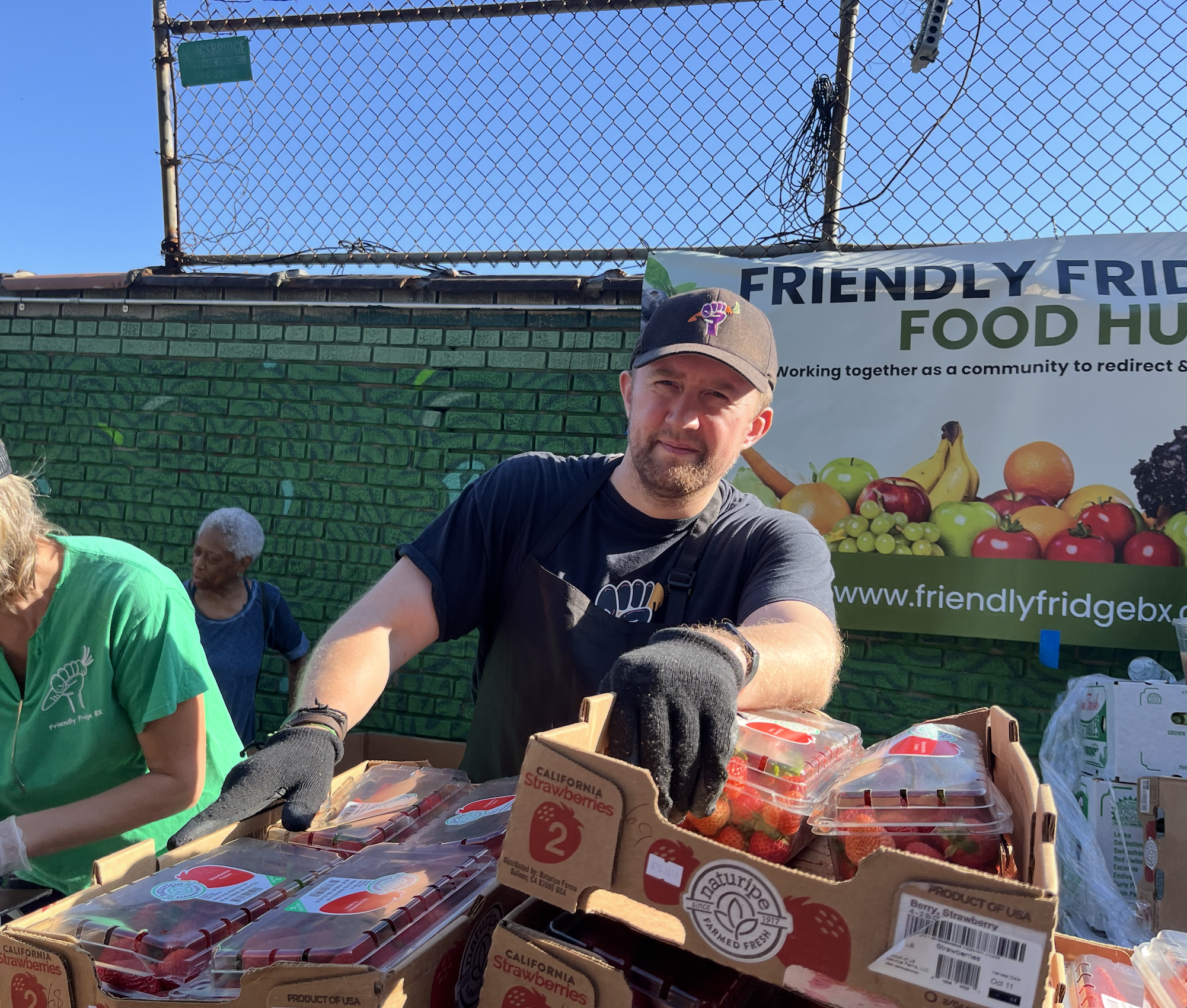 After extensive experience in food rescue and redirection, Sara and Selma have garnered insight into the process of donating food. Sara emphasizes that in the U.S., the Federal Bill Emerson Good Samaritan Food Donation Act encourages companies and organizations to donate millions of pounds of produce and meals to people in need. If more companies and institutions knew and understood the Bill Emerson Act, an astronomical amount of fresh, safe food could be rescued from landfills and distributed to people in food-insecure situations.
Running a community fridge in one of NYC's most densely populated boroughs is no easy task. When asked about what organizing a typical food distribution event looks like, Sara and Selma outline their proactive approach: “People will call Selma and say they have 20 or so trays of extra pasta, hamburgers, and other prepared meals from a catering event. Another person might call and say they have seven baskets of fresh vegetables ready for pickup. Next, Sara will arrange for a certain number of volunteers on a specific day, either on Tuesday, Thursday, or Friday, to pick up the food.” Such a task becomes especially difficult when done entirely by volunteers who are not getting compensated for their time, Sara notes.
The work of the Friendly Fridge BX is entirely possible thanks to the help of 19 regular volunteers, many of them retired senior citizens and college and high school-aged students, who not only pick up the food but also process, arrange, and distribute it.
When it comes to spreading the word about the Friendly Fridge BX, Sara and Selma take the success of the Friendly Fridge BX and the wellbeing of their visitors into their own hands. By giving regular talks and presentations at local public, private, and charter schools in the Bronx, they have inspired many school officials, including teachers, to bring back a wide range of high-quality food, including family and individual portions.
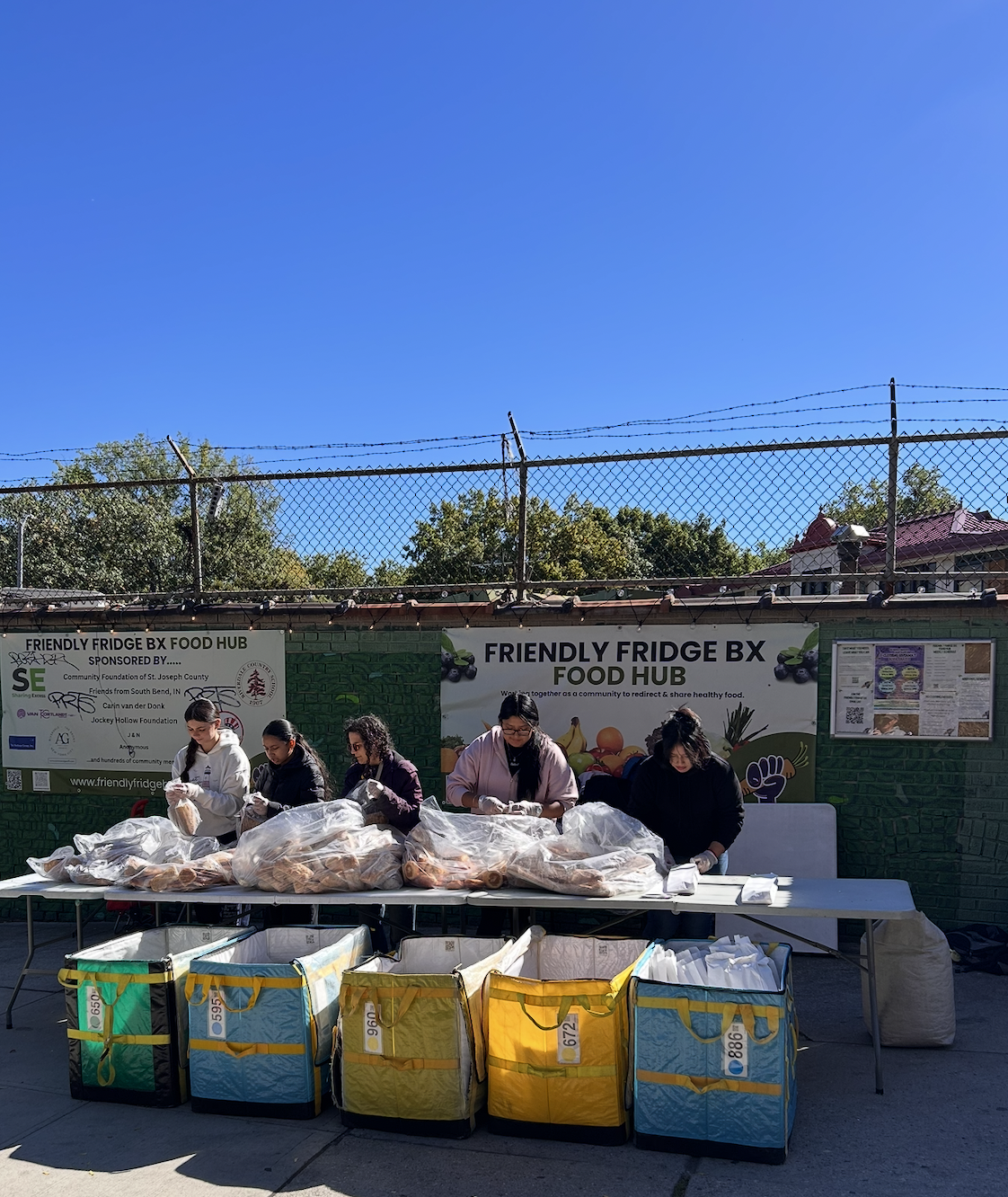 Three times a week, prepared trays of food are abundantly dropped off from seven regular partner schools, with five other schools also occasionally delivering food when they can, despite geographical barriers and commute times. Because of the influence Sara and Selma have had on the Bronx community, representatives from organizations–both public and private, local and city-wide–take time out of their day to help support the Friendly Fridge BX.
Sara and Selma add, “We go to schools, we give presentations, we speak to kids, we speak to adults. In seeing our efforts, we hope that more people realize that food rescue is something they can partake in themselves. We can reduce the distance between good food and its recipients; we can bridge the gap. We should work to normalize the process of helping each other, of helping our community. When we can work with the idea that we can save ourselves from food insecurity and injustice, life gets a lot easier. If everyone did what our 19 committed volunteers are doing, just imagine how much more we could accomplish?”
Sara and Selma take outreach very seriously because they know that the more food they rescue and redistribute, the more families are fed. One day, Sara and Selma ran into an employee at a tech company downtown. That person connected them with the company's officials, who were pleased to work with them to repurpose perfectly good food. Sara and Selma have proven that with purposeful encouragement, many individuals and organizations may demonstrate a willingness to participate in the rescuing and redirection of food to communities in need. Now, every Tuesday, Wednesday, and Thursday, a volunteer from the Friendly Fridge BX visits the company and returns with 20-40 trays of everything from barbecue to pasta, which are then packaged and prepared for the next distribution.
“Food is never left in the refrigerator for more than two days,” says Sara.
Immigrating to the U.S from Africa at 20 years old and having lived in the Bronx community for over 40 years, Selma continues to maintain her deep connection to the community. Despite numerous attempts by outsiders to prevent the Friendly Fridge BX’s food distributions, they have always persevered because their role in supporting the Bronx community guides their work. Both Sara and Selma have taken time out of their already work-filled lives to turn the once part-time Friendly Fridge BX into the prominent passion of their lives.
Sara and Selma stress that one of the reasons why large amounts of food go to waste each year is that systemic gaps and neighborhood-scale distribution challenges keep the costs of donating food higher than its benefits.
Considering where we stand right now, “It is not advantageous for businesses to redirect their food. In some cases, it’s actually more advantageous for restaurants to claim a loss than repurpose perfectly good food. Large organizations like City Harvest or Food Bank of New York are massive entities and have a surfeit of resources that equip them to distribute food on a large scale, but they may not mobilize to distribute 10 boxes of cucumbers. We will,” says Selma.
Running entirely on donations from organizations such as the Yankees, Sara and Selma have proven that one does not need a formal education in public policy or agriculture to start an initiative that helps feed thousands of people in a safe, organized manner.
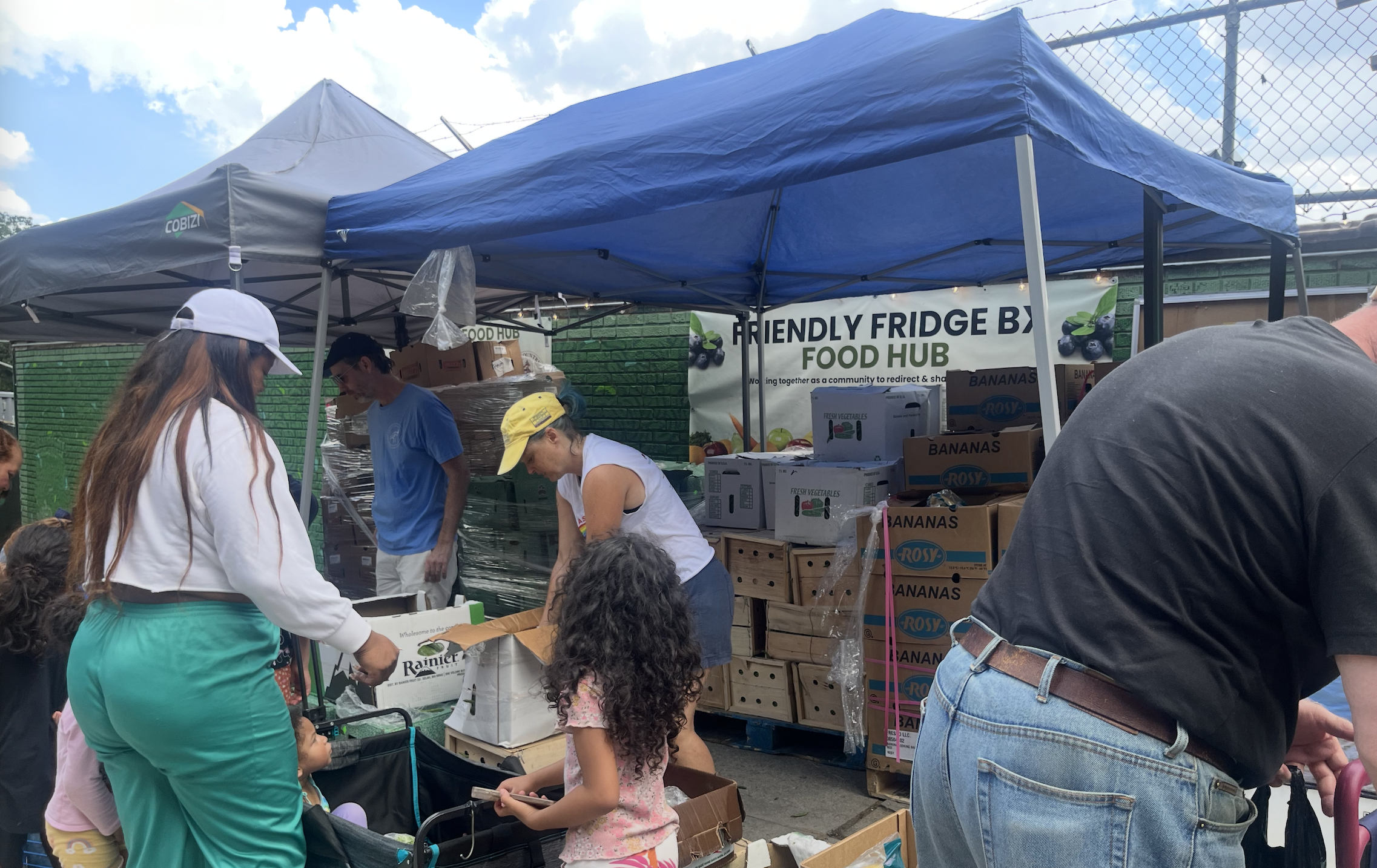 “One day, a professor from Manhattan University walked by and was amazed by the amount of food we were rescuing and distributing, all to the local community in need, with no strings attached. He now visits the Friendly Fridge BX regularly,” explains Sara.
Although the Friendly Fridge BX is a remarkable innovation, Sara and Selma are not done defying odds and breaking boundaries. When they first started distributing food, thousands of meals a week were given to the elderly living alone, the homeless, and those in isolation. Soon, Selma invented a Friendly Fridge BX Coupon Program that encourages food donations and catalyzes their distribution. The program allows a recipient to redeem a coupon for a hot meal at four participating businesses, which helps both a recipient who may not have access to a kitchen and the participating business. Originally declined by many restaurants, the coupon program is now in its second year, with many partnering restaurants participating, such as local Pizza Parlors.
With the leftover food that may accumulate, volunteers regularly work together to make 150 portions of vegetable soup that are also distributed. Hence, rescuing, repurposing, and redirecting food once again.
Apart from the 19 regular volunteers that make the work of the Friendly Fridge BX possible, student volunteers from both local high schools and colleges, such as the University of Mount Saint Vincent, Horace Mann School, Riverdale Country School, and Manhattan University come when they’re available to help out with distributing food.
Although the impact of the Friendly Fridge BX is profound, the limits of an initiative designed to solve hunger by maximizing volunteerism are also evident.
“Our footprint is so small, and we are in the streets in 10-degree weather, in 90-degree weather, you name it. Although donations from our empathetic and generous partners support the backbone of our work, what we could use more of is adequate, stable funding that allows us to scale the Friendly Fridge BX, pay our volunteers so that they can become hired staff, and expand our impact. Sometimes, we may get a call from an organization saying they have tons of food available, but we do not have the amount of manpower required to rescue all of it. If we could compensate volunteers for their time, imagine how greatly we could expand our team and ability to rescue more food and feed more families?”
As Sara explains, the Bronx is often the overlooked child of New York City and is often looked down upon. She challenges the stigmatizing narratives of hunger and emphasizes, instead, that working-class families struggle to survive yet work hard every day to support their families. Serving a mostly black, brown, and Hispanic population, the Friendly Fridge BX remains a center of support for families throughout the year.
As Selma puts it, “It doesn’t take extraordinary people to create a movement. It just takes normal people like you and me who care. Every meal rescued is a massive win for us.”
Author: Durjoy Bhadra | June 1, 2026
About the author:
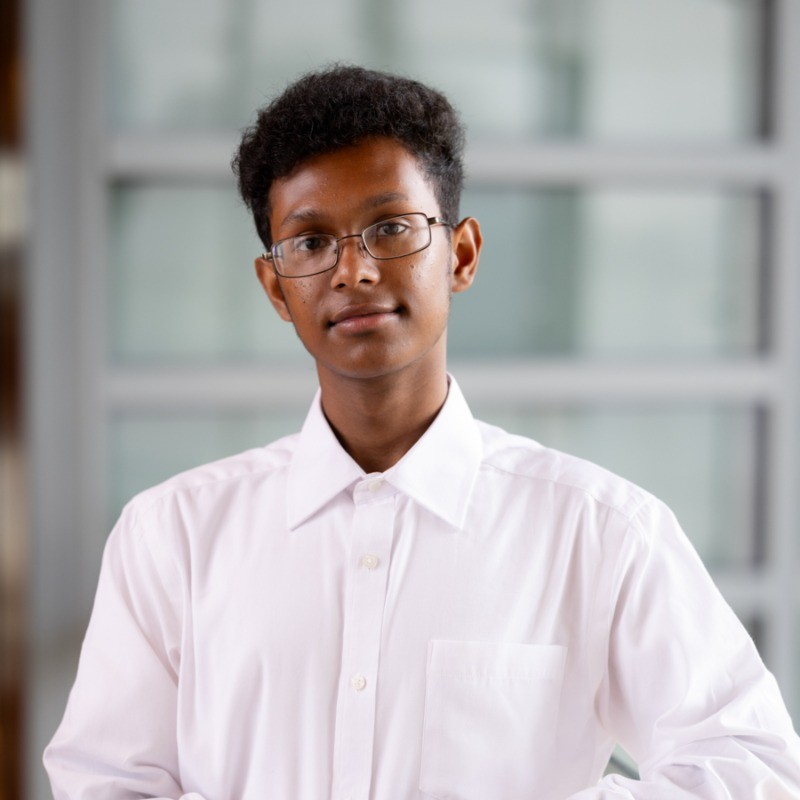
Durjoy Bhadra serves as a work-study student employee for NAFSN during the 2025-2026 while completing his undergraduate education at Cornell University. With an interest in Nutrition Science, he lets his passion for food systems and nutrition guide his work at NAFSN.